

A rare and unforgettable sighting in Hluhluwe-iMfolozi There are moments in the bush that linger long after the dust settles and the engine switches off. Moments when the wilderness feels alive in a different way — charged, electric and full of quiet tension. They are not always dramatic or loud. Often, they unfold in silence, in a slow unfolding of awareness that something extraordinary is about to happen.
Birdwatching Bliss: Discover St Lucia’s Avian Wonders from Lidiko Lodge
Posted on Tue July 8, 2025.
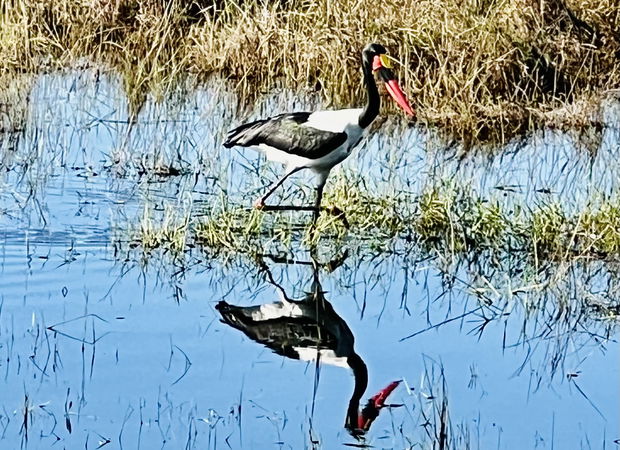
If you’re a birder or simply someone who enjoys the quiet thrill of spotting a flash of colour in the trees, then St Lucia, KwaZulu-Natal, is your kind of destination. Situated within South Africa’s first UNESCO World Heritage Site, the iSimangaliso Wetland Park, St Lucia is home to a dazzling diversity of birdlife, with over 500 recorded species.
And there’s no better base for birding in this region than Lidiko Lodge, where birdwatching quite literally begins at your breakfast table.
A Birder’s Paradise at Your Doorstep
From the moment you step into the lush, tropical gardens of Lidiko Lodge, the chorus of bird calls lets you know you’ve arrived somewhere special. The lodge grounds attract a wide variety of species, from the iridescent collared sunbirds flitting between flowers, to the bold purple-crested turaco gliding through the trees.
Guests frequently spot:
Trumpeter hornbills perched in the canopy
Paradise flycatchers weaving through shaded paths
African hoopoes, woodland kingfishers, and thick-knees right from their rooms or while enjoying coffee on the veranda
Whether you’re a seasoned birder with a life list, or just starting out, Lidiko’s garden is the perfect place to relax with your binoculars.
Top Birding Spots Near Lidiko Lodge
Beyond the lodge, St Lucia offers easy access to some of the best birding habitats in southern Africa, ranging from wetlands and estuaries to sand forests and coastal dunes.
- iSimangaliso Wetland Park – Eastern and Western Shores
The park’s varied ecosystems are ideal for spotting everything from African fish eagles and pink-backed pelicans to flamingos, tinkling cisticolas, and goliath herons.
Tip: Early morning drives or guided walks yield the best results.
Access: Self-drive or guided tours available; entrance just minutes from Lidiko.
- Estuary Boat Cruise
The St Lucia Estuary is one of the largest in Africa and a haven for waders and water birds.
Likely sightings include: African jacanas, white-fronted bee-eaters, malachite kingfishers, and squacco herons.
Cruises are relaxed, quiet, and perfect for close-up photography.
- Cape Vidal
A coastal gem within the wetland park, Cape Vidal combines forest and shoreline birding.
Keep an eye out for crowned hornbills, green twinspots, palm-nut vultures, and livingstone’s turacos.
- iGwalagwala Trail – St Lucia Village Forest Walk
Just a short walk from Lidiko Lodge, the iGwalagwala Trail offers an easy and rewarding birding experience through a quiet coastal forest. This well marked path winds through dense vegetation and is perfect for spotting shy and colourful forest species.
Look out for Narina trogons, green twinspots, red-capped robin-chats, and the trail’s namesake, the purple-crested turaco (iGwalagwala).
Early morning or late afternoon is ideal for bird activity.
The trail is free to access and safe for self-guided walks, though guided birding tours are available for those seeking expert insights.
- uMkhuze Game Reserve (Day Trip)
A renowned birding destination just two hours from St Lucia.
Serious birders visit for specialties like the elusive Pel’s fishing owl, Narina trogon, and African broadbill.
Several well-maintained hides overlook pans and waterholes.
When to Visit for the Best Birding
While birding in St Lucia is excellent year round, the best months for diversity are October to March, when migratory species arrive and many birds are in full breeding plumage. Expect more vibrant colours, lively calls, and a wider variety of species during the southern hemisphere’s summer months.
Birding Tips for Visiting Guests
Bring binoculars and a good field guide, the Roberts or Sasol guides are highly recommended.
Ask the staff at Lidiko Lodge for recent sightings, they often hear of unusual birds seen around the village or in the park.
Start early, many species are most active in the cool of the morning.
Consider a guided birding tour for deeper insight and access to harder-to-spot species.
Why Birders Love Staying at Lidiko Lodge
At Lidiko Lodge, birdwatching isn’t just something you do, it's woven into the experience. Our guests appreciate:
Tropical gardens that attract a wide range of birdlife
Peaceful spaces to observe nature without leaving the property
A central location that offers easy access to forest, estuary, wetland, and coastal habitats
Helpful staff who love nature and are happy to recommend local guides or routes
Extend Your Stay: More Than Just Birds
Many guests find that birdwatching is just the start of their St Lucia adventure. Why not combine it with a hippo and croc boat cruise, a Cape Vidal beach day, or a safari drive in nearby Hluhluwe-iMfolozi Park?
It’s this blend of experiences—wildlife, birding, culture, and comfort—that makes Lidiko Lodge the perfect destination for nature lovers and eco-travellers.
Ready to Spot Your Next Lifelist Species?
Whether you’re chasing rarities or simply enjoying the peaceful connection with nature, Lidiko Lodge offers the perfect birding escape in the heart of KwaZulu-Natal’s wild beauty.
Book your stay today, your binoculars will thank you.
Share This Post
Our Tripadvisor Reviews
Further Reading
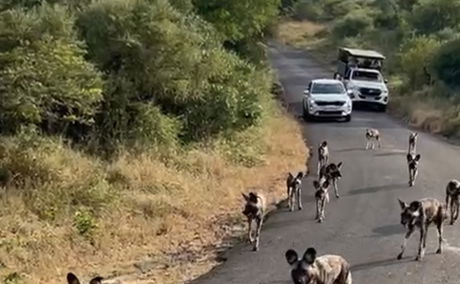
Painted Wolves of Zululand: When the Wild Dogs Return
Fri February 27, 2026
Read This Article
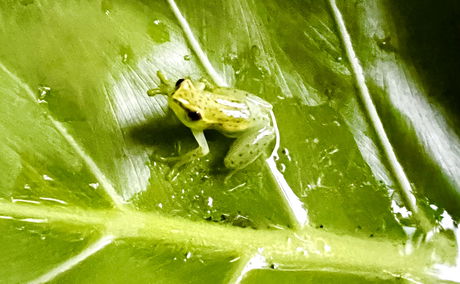
The World Beneath the Obvious, The Remarkable Small Lives in and Around St Lucia
Wed January 14, 2026
Read This Article
St Lucia is often described by what surrounds it, a small coastal town enveloped by the remarkable iSimangaliso Wetland Park, where estuary, forest, dune systems, and ocean converge. Here, nature is not confined to distant viewpoints or fenced reserves. It threads itself through daily life, moving quietly between gardens, along sandy paths, beneath leaves, and across walls. While larger animals understandably capture the imagination, another world exists alongside them — smaller, subtler,...
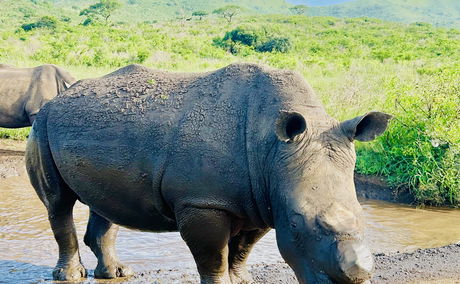
How Many Nights Do You Really Need in St Lucia, South Africa?
Thu December 25, 2025
Read This Article
St Lucia is not a destination built around ticking off attractions. It’s a place shaped by tides and wildlife, early mornings and quiet evenings — where the most memorable moments tend to unfold slowly rather than on demand. That’s why one of the most common questions we receive from guests planning a visit is also one of the most important: “How many nights should we stay?” The answer has less to do...
Share This Post