

Why one of Africa's so-called "Ugly Five" may just become your favourite wildlife encounter
Elephant jewellry
Posted on Sun August 16, 2015.
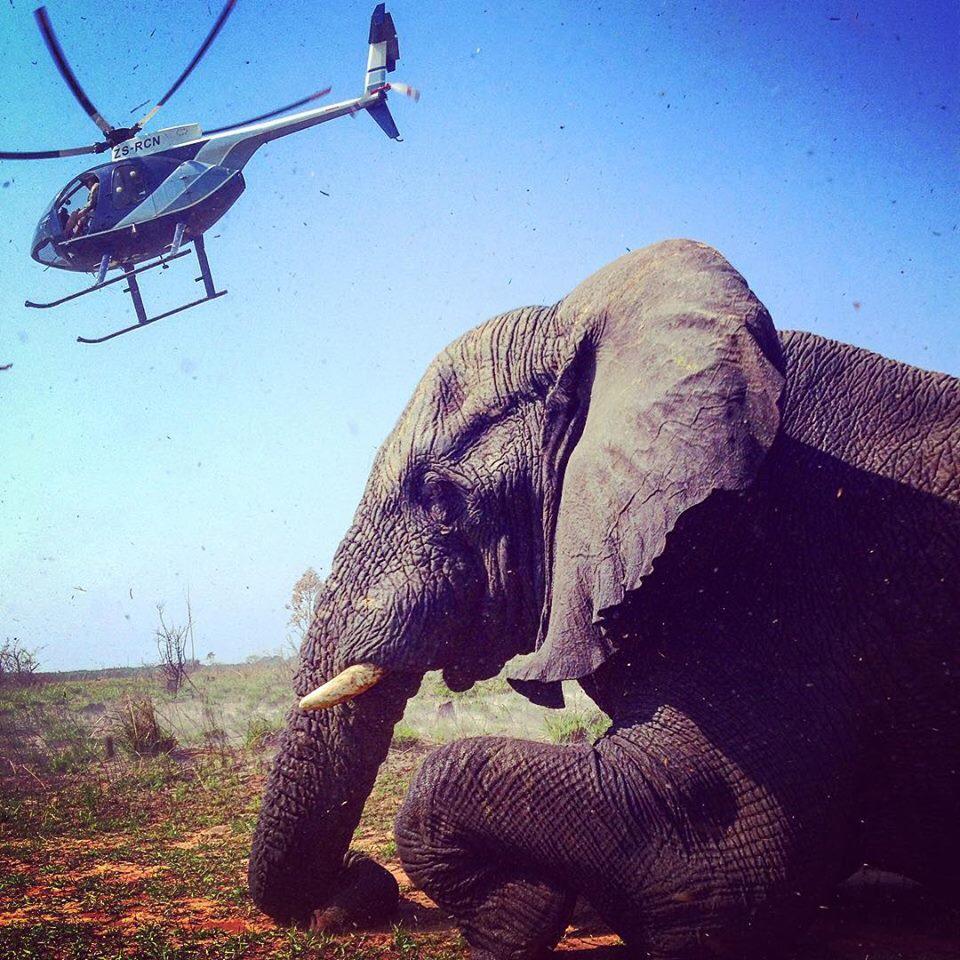
One of #iSimangaliso's bull elephants on the #WesternShores section was fitted with a satellite collar today by Ezemvelo KZN Wildlife's Game Capture Unit. This will enable us to track the group's movements and better inform management decisions, for the benefit and safety of the animals as well as Park visitors. Photos by EKZNW Game Capture Officer Jed Bird. #MeetSouthAfrica #LoveSouthAfrica
Share This Post
Our Tripadvisor Reviews
Further Reading
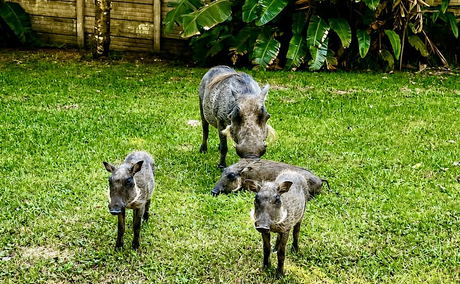
The Curious Charm of St Lucia's Warthogs
Tue July 7, 2026
Read This Article
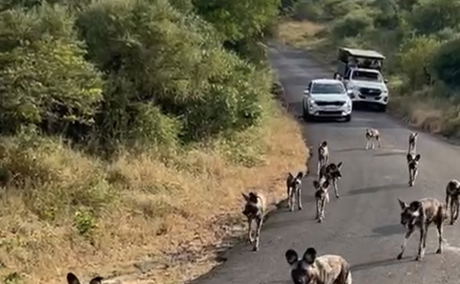
Painted Wolves of Zululand: When the Wild Dogs Return
Fri February 27, 2026
Read This Article
A rare and unforgettable sighting in Hluhluwe-iMfolozi There are moments in the bush that linger long after the dust settles and the engine switches off. Moments when the wilderness feels alive in a different way — charged, electric and full of quiet tension. They are not always dramatic or loud. Often, they unfold in silence, in a slow unfolding of awareness that something extraordinary is about to happen.
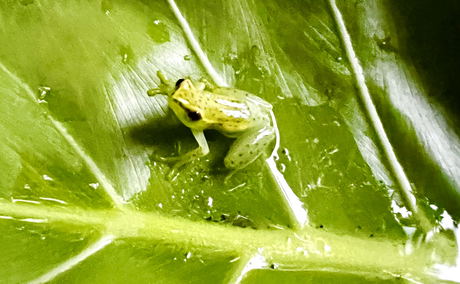
The World Beneath the Obvious, The Remarkable Small Lives in and Around St Lucia
Wed January 14, 2026
Read This Article
St Lucia is often described by what surrounds it, a small coastal town enveloped by the remarkable iSimangaliso Wetland Park, where estuary, forest, dune systems, and ocean converge. Here, nature is not confined to distant viewpoints or fenced reserves. It threads itself through daily life, moving quietly between gardens, along sandy paths, beneath leaves, and across walls. While larger animals understandably capture the imagination, another world exists alongside them — smaller, subtler,...
Share This Post