

Why one of Africa's so-called "Ugly Five" may just become your favourite wildlife encounter
Into the Wild: Discover the Magic of Hluhluwe–iMfolozi Park
Posted on Tue April 8, 2025.
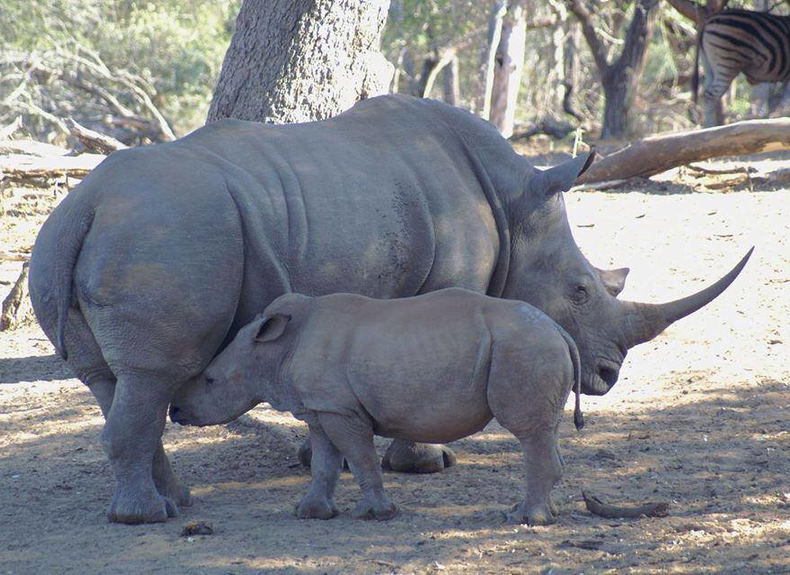
Tucked away in the heart of KwaZulu-Natal, just a scenic drive from the coastal town of St Lucia, lies one of Africa’s most enchanting wildlife reserves: Hluhluwe–iMfolozi Park. It’s a place where the ancient rhythm of the African bush still beats strong, where the Big Five roam free, and where the wild whispers stories of conservation, survival, and raw natural beauty.
Where Wilderness Meets Legacy
Hluhluwe–iMfolozi isn’t just any game reserve, it’s Africa’s oldest proclaimed park, established in 1895. But its roots go even deeper. This land was once the private hunting ground of Zulu kings like Shaka Zulu, whose respect for wildlife helped shape the area's conservation ethos long before it had a name.
Today, Hluhluwe–iMfolozi Park covers a vast 96,000 hectares of untamed bushveld, rolling hills, and winding rivers. It's the only park in KwaZulu-Natal where you can see all of the Big Five, lion, elephant, buffalo, leopard, and rhino—and it’s world-renowned for saving the southern white rhino from extinction.
A Safari That Stays With You
Whether you're a seasoned traveller or a first-time safari-goer, Hluhluwe–iMfolozi delivers a safari experience that stirs the soul. Early morning game drives often reward visitors with misty landscapes and thrilling sightings, elephants greeting the dawn with trumpeting calls, a pride of lions lounging after a night of hunting, or a solitary rhino grazing peacefully in the distance.
What sets this park apart is its varied terrain and biodiversity. From riverine forests and open savannah to rugged hills, each turn in the road feels like entering a new world. Bird lovers will be in paradise too, with over 340 bird species spotted throughout the park.
Conservation with Heart
More than just a safari destination, Hluhluwe–iMfolozi is a symbol of hope in wildlife conservation. It was here that the groundbreaking “Operation Rhino” began in the 1950s, a campaign that helped revive rhino populations worldwide. The park continues to be at the forefront of conservation efforts, proving that tourism and environmental stewardship can thrive together.
Tips for Visitors
Best time to visit: Dry winter months (May–September) offer the best game viewing as animals gather around water sources.
Self-drive or guided safari: Both options are available. Guided tours often increase your chances of memorable sightings.
Stay nearby: Lodges in St Lucia, like Lidiko Lodge, offer charming, comfortable stays and easy access to the park.
Bring binoculars and a good camera, trust us—you’ll want to capture the magic.
A Journey You’ll Never Forget
Hluhluwe–iMfolozi Park isn’t just a place, it’s a feeling. It’s the thrill of spotting your first elephant in the wild, the hush of the bush as the sun dips below the horizon, and the quiet joy of being in a world that’s both ancient and alive.
For those who dream of Africa—not just the postcards, but the pulse, the presence, the real wild, Hluhluwe–iMfolozi is calling.
Share This Post
Our Tripadvisor Reviews
Further Reading
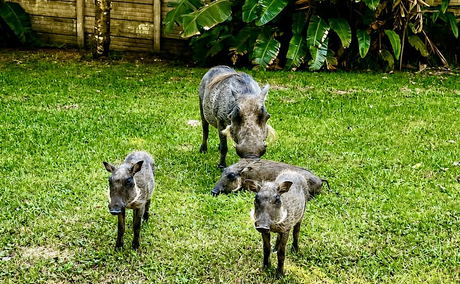
The Curious Charm of St Lucia's Warthogs
Tue July 7, 2026
Read This Article
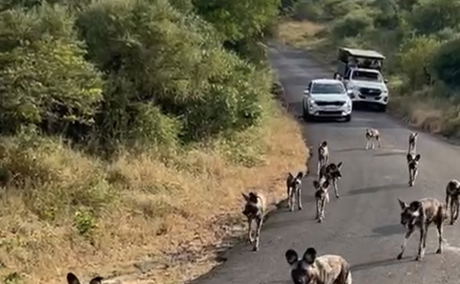
Painted Wolves of Zululand: When the Wild Dogs Return
Fri February 27, 2026
Read This Article
A rare and unforgettable sighting in Hluhluwe-iMfolozi There are moments in the bush that linger long after the dust settles and the engine switches off. Moments when the wilderness feels alive in a different way — charged, electric and full of quiet tension. They are not always dramatic or loud. Often, they unfold in silence, in a slow unfolding of awareness that something extraordinary is about to happen.
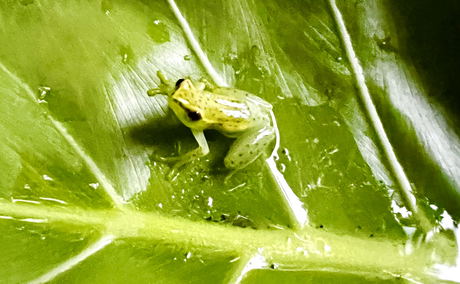
The World Beneath the Obvious, The Remarkable Small Lives in and Around St Lucia
Wed January 14, 2026
Read This Article
St Lucia is often described by what surrounds it, a small coastal town enveloped by the remarkable iSimangaliso Wetland Park, where estuary, forest, dune systems, and ocean converge. Here, nature is not confined to distant viewpoints or fenced reserves. It threads itself through daily life, moving quietly between gardens, along sandy paths, beneath leaves, and across walls. While larger animals understandably capture the imagination, another world exists alongside them — smaller, subtler,...
Share This Post