

A rare and unforgettable sighting in Hluhluwe-iMfolozi There are moments in the bush that linger long after the dust settles and the engine switches off. Moments when the wilderness feels alive in a different way — charged, electric and full of quiet tension. They are not always dramatic or loud. Often, they unfold in silence, in a slow unfolding of awareness that something extraordinary is about to happen.
St Lucia, a Tapestry of History, Legends, and Wild Tales
Posted on Thu September 11, 2025.
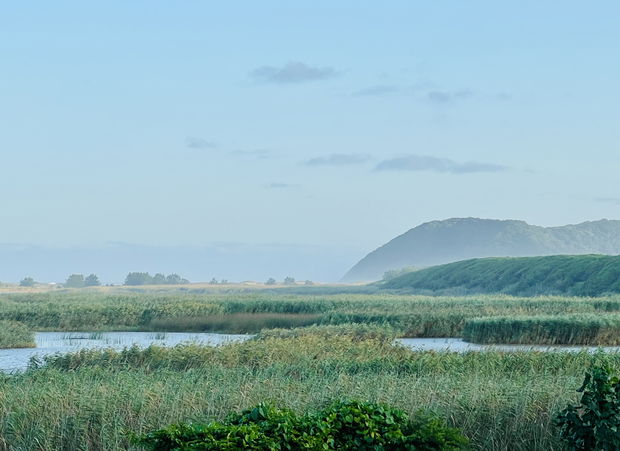
Long before St Lucia became a beloved holiday haven and a gateway to hippos and humpback whales, it was a place steeped in mystery, exploration, and legend. The history of this remarkable corner of KwaZulu-Natal is as colourful as the sunsets over the estuary, filled with tales of early explorers, Zulu kings, shipwrecks, and stories passed down through generations.
The Portuguese were among the first Europeans to stumble across this coastline in the 1500s, when they named the estuary Rio dos Medos do Ouro, the “River of the Dunes of Gold.” It was Christmas Day in 1575 when the name Santa Lucia was bestowed, in honour of Saint Lucy. Over time, the name settled simply into St Lucia, a title that carries centuries of history every time it’s spoken.
Yet, St Lucia’s story is not only European. For the Zulu, this land was sacred and bountiful, where the rhythms of the seasons guided fishing, hunting, and foraging. Oral histories tell of hippos and crocodiles being both feared and respected, spirits of the water that demanded caution. Some tales even speak of river creatures that were more spirit than beast, perhaps inspired by the way hippos rise silently from beneath the water’s surface.
As the centuries rolled on, the coast became known as treacherous to sailors. The shifting sandbanks and unpredictable weather claimed many a ship, leaving behind ghostly wrecks hidden beneath the waves. It’s said that even today, when the wind blows just right, old sailors’ stories seem to echo along the dunes, reminding us that the Indian Ocean can be both generous and unforgiving.
By the 1800s, St Lucia was a wild frontier. Traders, adventurers, and hunters passed through, leaving behind fragments of their lives in diaries and maps. It was also a place of strategy and importance for the Zulu kingdom, with King Shaka and later King Cetshwayo recognising the wealth of its natural resources. The estuary teemed with fish, the forests with game, and the wetlands with life, treasures worth protecting and fighting for.
In more recent memory, during the mid-20th century, St Lucia transformed from remote settlement to sought-after holiday destination. Visitors came in search of wild landscapes, endless beaches, and the thrill of seeing hippos amble through town at night. With the creation of the iSimangaliso Wetland Park, today a UNESCO World Heritage Site, the story of St Lucia took another turn, shifting from resource to be exploited, to wilderness to be treasured.
And of course, no history of St Lucia is complete without its fun little tales. The stories that locals still laugh about. Like the visitor who thought the hippos grazing outside the petrol station were “statues placed for tourists,” or the fisherman who swore a crocodile stole not only his catch but also his cooler box. These anecdotes, part truth and part embellishment, are as much a part of St Lucia’s history as the explorers and kings.
Today, St Lucia is a place where history and myth live side by side. Walk along the estuary, and you tread the same path as Portuguese explorers, Zulu warriors, and intrepid travellers from centuries ago. Watch the sun sink behind the forest, and you’re reminded that time may move on, but stories remain etched into the land, the water, and the hearts of those who visit.
Share This Post
Our Tripadvisor Reviews
Further Reading
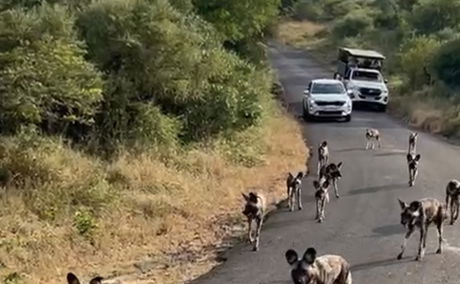
Painted Wolves of Zululand: When the Wild Dogs Return
Fri February 27, 2026
Read This Article
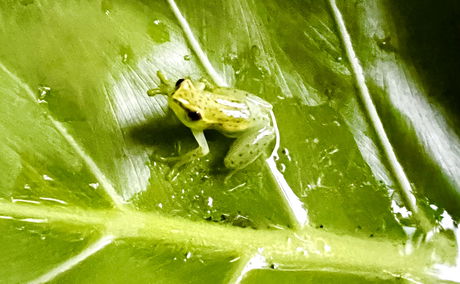
The World Beneath the Obvious, The Remarkable Small Lives in and Around St Lucia
Wed January 14, 2026
Read This Article
St Lucia is often described by what surrounds it, a small coastal town enveloped by the remarkable iSimangaliso Wetland Park, where estuary, forest, dune systems, and ocean converge. Here, nature is not confined to distant viewpoints or fenced reserves. It threads itself through daily life, moving quietly between gardens, along sandy paths, beneath leaves, and across walls. While larger animals understandably capture the imagination, another world exists alongside them — smaller, subtler,...
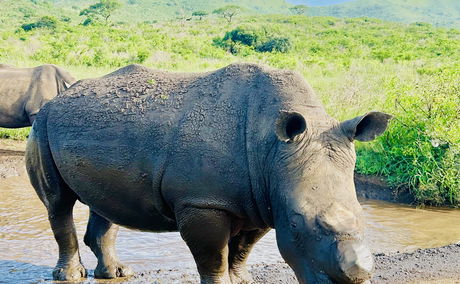
How Many Nights Do You Really Need in St Lucia, South Africa?
Thu December 25, 2025
Read This Article
St Lucia is not a destination built around ticking off attractions. It’s a place shaped by tides and wildlife, early mornings and quiet evenings — where the most memorable moments tend to unfold slowly rather than on demand. That’s why one of the most common questions we receive from guests planning a visit is also one of the most important: “How many nights should we stay?” The answer has less to do...
Share This Post