

Why one of Africa's so-called "Ugly Five" may just become your favourite wildlife encounter
The Great Gastropod of St Lucia, When Snails Go "Gourmet" at Lidiko Lodge
Posted on Fri April 4, 2025.
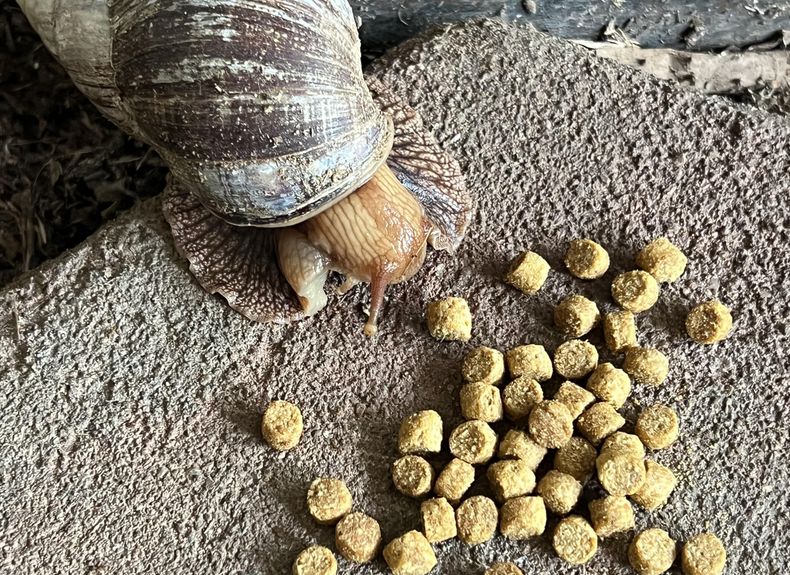
You’ve planned your adventure in St Lucia and surrounds, packed your sunhat, braced yourself for hippos casually strolling through our town. But nothing—and we mean nothing—can prepare you for one of St Lucia’s most underestimated residents. The extra large garden snail with an appetite that would make any chef weep.
Yes, we’re talking about the African Giant Snail, a creature so magnificently slow and stylish, it could only be found ambling around the lush grounds of Lidiko Lodge.
Meet the Shell-lebrity
These aren't your average European escargot. No sir. These are Achatina fulica, one of the largest terrestrial snails in the world. And while the term “giant” is often thrown around loosely in travel brochures, in this case, it’s perfectly appropriate. These shelled wonders can grow up to 20 cm and are most often seen after a good rain, making their slow, deliberate way across the lodge’s pathways like VIP guests who forgot their room keys.
Slow but Surprisingly Sneaky
What makes these snails truly unforgettable, however, isn’t just their size—it’s their taste. While most garden snails would be content munching on leaves or fallen fruit, the snails at Lidiko have elevated their palates to new, frankly bizarre, heights.
One misty morning, as our resident cats Polkadot and Tiger enjoyed their breakfast buffet outside the lodge, a brave snail was spotted... slithering toward their food. Was it curious? Hungry? Lost? Whatever the case, it began feasting—not on your typical leaf salad—but on cat food. That’s right, dear reader. We are now officially hosting omnivorous snails with a taste for tuna kibble.
Are they evolving? Should we be worried? Probably not. But they are certainly entertaining.
Snail Trails & Travel Tales
For our guests, these encounters make for perfect dinner table stories and photo opportunities to take back home. After all, how many people can say they went on a safari in South Africa and were photobombed by a massive snail nibbling Meow Mix?
Want to see them for yourself? Ask our friendly staff for the best snail-spotting tips. (Hint: early morning after rain is prime snail time.) And remember to check your shoes before you slip them on—these guys really get around.
A Final Note from the Snails
If you’re reading this over your morning coffee at Lidiko Lodge—look down. That’s not a rock. That’s Geoff. He likes to make an appearance around this time. And yes, he still loves cat food.
Share This Post
Our Tripadvisor Reviews
Further Reading
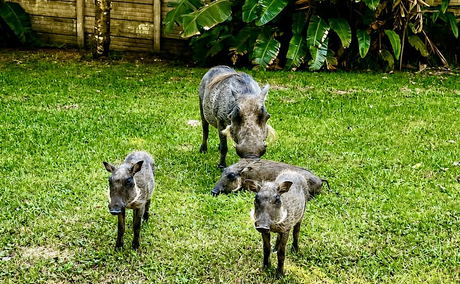
The Curious Charm of St Lucia's Warthogs
Tue July 7, 2026
Read This Article
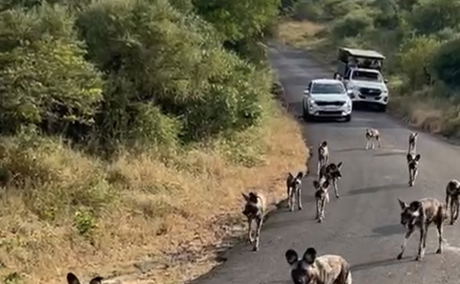
Painted Wolves of Zululand: When the Wild Dogs Return
Fri February 27, 2026
Read This Article
A rare and unforgettable sighting in Hluhluwe-iMfolozi There are moments in the bush that linger long after the dust settles and the engine switches off. Moments when the wilderness feels alive in a different way — charged, electric and full of quiet tension. They are not always dramatic or loud. Often, they unfold in silence, in a slow unfolding of awareness that something extraordinary is about to happen.
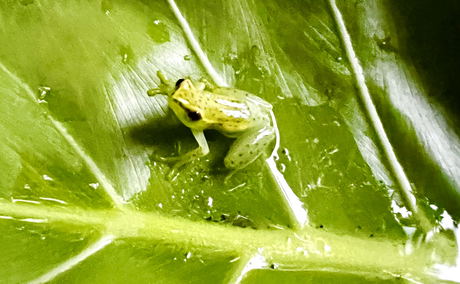
The World Beneath the Obvious, The Remarkable Small Lives in and Around St Lucia
Wed January 14, 2026
Read This Article
St Lucia is often described by what surrounds it, a small coastal town enveloped by the remarkable iSimangaliso Wetland Park, where estuary, forest, dune systems, and ocean converge. Here, nature is not confined to distant viewpoints or fenced reserves. It threads itself through daily life, moving quietly between gardens, along sandy paths, beneath leaves, and across walls. While larger animals understandably capture the imagination, another world exists alongside them — smaller, subtler,...
Share This Post