

A rare and unforgettable sighting in Hluhluwe-iMfolozi There are moments in the bush that linger long after the dust settles and the engine switches off. Moments when the wilderness feels alive in a different way — charged, electric and full of quiet tension. They are not always dramatic or loud. Often, they unfold in silence, in a slow unfolding of awareness that something extraordinary is about to happen.
The Hidden Seasons of St Lucia
Posted on Thu December 4, 2025.
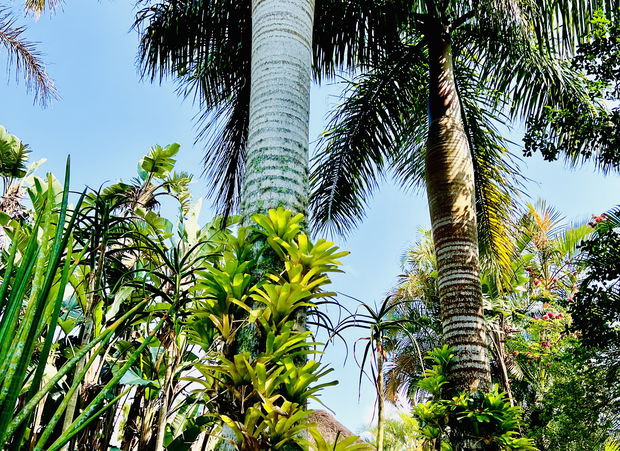
A More Colourful Look at Nature’s Secret Calendar...
Most travellers arrive in St Lucia expecting sunshine, sandy beaches, and safari adventures. But those who linger a little longer, who pause to watch the tide shift or listen to the night sounds from the forest, quickly realise something: this place moves to a rhythm far older and far richer than the four seasons printed on a calendar.
St Lucia lives by nature’s seasons — the quiet migrations, the pulsing wetlands, the return of ancient creatures, the rising winds that whisper of change. These are the seasons that locals know instinctively, and the ones that make each visit feel unique.
Here is the fuller, more colourful story of St Lucia’s secret natural calendar, a story that unfolds all year long, often unnoticed unless you know where to look.
January to March: a Season Washed in Green and New Life
There is a softness to St Lucia at the start of the year. Rain gathers in warm afternoon curtains, sweeping across the estuary and settling the dust on the dune forests. When the clouds lift, the world looks freshly rinsed, leaves glossy, flowers open, and the air heavy with the scent of earth and ocean.
The wetlands become a nursery in these months. Reedbeds tremble with birds teaching their young to fly. Bucklings and calves wobble on new legs in the grasslands, and the night air vibrates with frog calls so loud and layered it feels like a wild orchestra tuning up.
And then, of course, there are the turtle hatchlings...
On humid evenings, when the wind slows and the moon glints off the sea, the sand stirs with tiny movements. Dozens of hatchlings emerge at once — fragile, determined — their bodies reflecting starlight as they scramble toward the waves. Watching them disappear into the surf is a moment that sits deeply with travellers, an imprint of purity and courage.
This is St Lucia at its most lush and emotionally stirring.
April to June: Soft Light, Long Shadows, and Gentle Movement
As autumn settles in, the landscape exhales. The frenetic energy of summer eases, and St Lucia reveals a quieter beauty.
The mornings become a masterpiece of pastel tones. Mist rises from the estuary like a slow-moving veil, and the sun paints everything in shades of gold and rose. Photographers often describe it as the season where the light itself feels alive — shifting, softening, highlighting details usually lost in the full blaze of summer.
It is also a season ruled by wings...
Waders gather in shimmering groups, moving restlessly between mudflats. Raptors trace arcs across open skies. European migrants prepare for their long return journeys north, feeding heavily on the abundance of insects around the wetlands.
If summer is a song of abundance, these months are a poem — quiet, observant, reflective.
Trails are calm. Estuary cruises glide peacefully across glassy water. And the whole region feels like it has paused to breathe.
July to September: The Wild, Energetic Heart of the Year
Winter in St Lucia doesn’t roar; it pulses.
As water levels fall, wildlife concentrates in thrilling density. Hippos spend more time grazing, often seen wandering through the mist at dawn or returning to the estuary as the last light fades. Crocodiles bask like statues along the banks, soaking up the sun with prehistoric stillness.
And then the ocean awakens.
The arrival of the humpback whales is one of the coast’s great annual migrations. From the high dunes and viewpoints near Cape Vidal, it is common to see their puffs of white breath against the deep blue sea. Breaches send glittering spray into the air; tail slaps echo across the water. Mothers guide calves along the warmer currents, often lingering close to shore.
The air itself feels different in these months — cooler, sharper, carrying the scent of salt and dry grass. Safaris feel more adventurous, and the landscapes more dramatic as the colours of winter — amber reeds, silver water, pale sky — settle in.
This is the season that surprises visitors the most. Wild, alive, and effortlessly cinematic.
October to December: The Returning Winds and Ancient Rituals
As spring arrives, St Lucia bursts forward with a sense of anticipation.
Warm winds sweep across the dunes, stirring the scent of flowering coastal shrubs and the faint sweetness of marula fruits. Birds arrive from far-off places in a joyous explosion of colour and sound — bee-eaters flashing emerald and gold, kingfishers calling sharply above the water, swallows stitching patterns across the sky.
Life gathers, returns, and intensifies.
Along the coastline, another ancient event unfolds.
Turtle nesting season begins, and with it comes a deep, almost spiritual hush to the beaches at night. Guests walk along the moonlit sand, guided by expert rangers, until the moment arrives: a massive shape emerging from the surf. Leatherbacks and loggerheads, some older than the travellers watching them, haul their heavy bodies across the sand to begin a ritual that has repeated for millions of years.
There is something indescribably grounding about witnessing this act — a reminder of nature’s resilience, and our small place within it.
Afternoon storms build like towering sculptures, rolling in with theatrical flashes and warm bursts of rain. And between them lie hot, brilliant days perfect for swimming, snorkelling, or exploring the forest trails.
A Place That Transforms Constantly — And Rewardingly
To understand St Lucia is to understand that it never stays the same. It doesn’t offer seasons in the traditional sense, but rather chapters, each with its own colours, moods, migrations, and wonders.
Summer wraps the land in green and life.
Autumn brings soft light and quiet water.
Winter fills the wetlands with drama and movement.
Spring returns ancient rituals and a vibrant chorus of birds.
For guests of Lidiko Lodge, embracing these hidden seasons adds depth to their experience. It turns simple moments — the call of a bird at breakfast, the rustle of leaves outside the room, the distant splash of a whale’s tail — into part of a much bigger, more wondrous story.
St Lucia is not just a destination; it’s a dynamic, breathing world.
And every time of year reveals a piece of it that’s waiting to be discovered.
Share This Post
Our Tripadvisor Reviews
Further Reading
Painted Wolves of Zululand: When the Wild Dogs Return
Fri February 27, 2026
Read This Article
The World Beneath the Obvious, The Remarkable Small Lives in and Around St Lucia
Wed January 14, 2026
Read This Article
St Lucia is often described by what surrounds it, a small coastal town enveloped by the remarkable iSimangaliso Wetland Park, where estuary, forest, dune systems, and ocean converge. Here, nature is not confined to distant viewpoints or fenced reserves. It threads itself through daily life, moving quietly between gardens, along sandy paths, beneath leaves, and across walls. While larger animals understandably capture the imagination, another world exists alongside them — smaller, subtler,...
How Many Nights Do You Really Need in St Lucia, South Africa?
Thu December 25, 2025
Read This Article
St Lucia is not a destination built around ticking off attractions. It’s a place shaped by tides and wildlife, early mornings and quiet evenings — where the most memorable moments tend to unfold slowly rather than on demand. That’s why one of the most common questions we receive from guests planning a visit is also one of the most important: “How many nights should we stay?” The answer has less to do...
Share This Post