
Blog
The Curious Charm of St Lucia's Warthogs
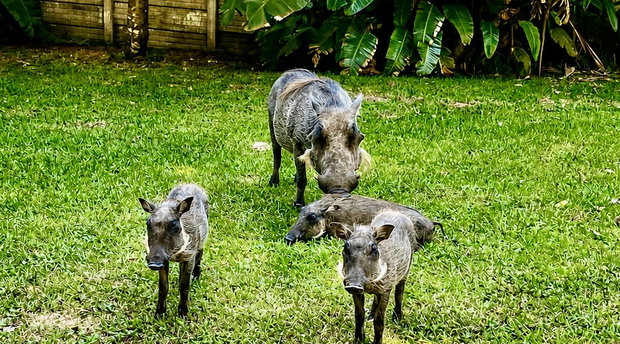
Why one of Africa's so-called "Ugly Five" may just become your favourite wildlife encounter
Painted Wolves of Zululand: When the Wild Dogs Return
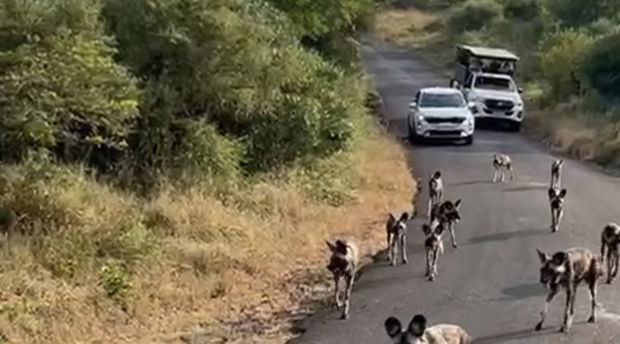
A rare and unforgettable sighting in Hluhluwe-iMfolozi
There are moments in the bush that linger long after the dust settles and the engine switches off. Moments when the wilderness feels alive in a different way — charged, electric and full of quiet tension. They are not always dramatic or loud. Often, they unfold in silence, in a slow unfolding of awareness that something extraordinary is about to happen.
The World Beneath the Obvious, The Remarkable Small Lives in and Around St Lucia

St Lucia is often described by what surrounds it, a small coastal town enveloped by the remarkable iSimangaliso Wetland Park, where estuary, forest, dune systems, and ocean converge. Here, nature is not confined to distant viewpoints or fenced reserves. It threads itself through daily life, moving quietly between gardens, along sandy paths, beneath leaves, and across walls. While larger animals understandably capture the imagination, another world exists alongside them — smaller, subtler, and no less extraordinary.
How Many Nights Do You Really Need in St Lucia, South Africa?
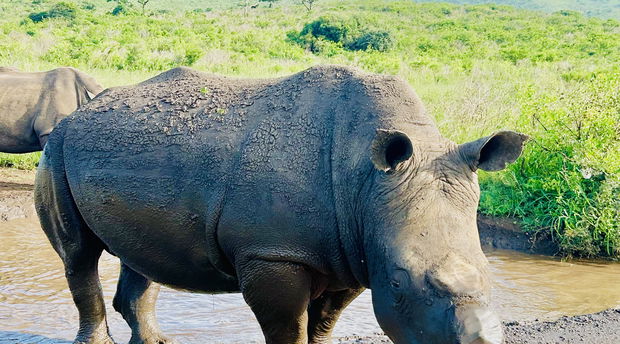
St Lucia is not a destination built around ticking off attractions.
It’s a place shaped by tides and wildlife, early mornings and quiet evenings — where the most memorable moments tend to unfold slowly rather than on demand.
That’s why one of the most common questions we receive from guests planning a visit is also one of the most important:
“How many nights should we stay?”
The answer has less to do with how much you want to see, and far more to do with how deeply you want to experience St Lucia.
The Hidden Seasons of St Lucia
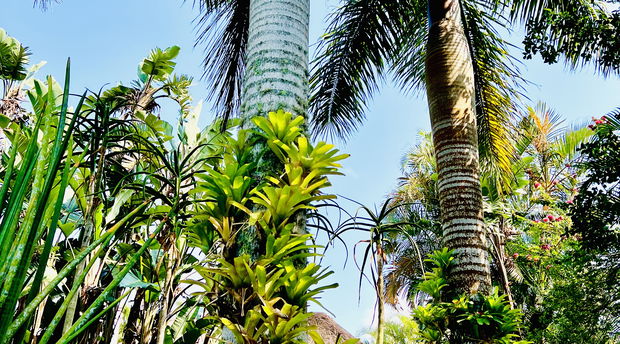
A More Colourful Look at Nature’s Secret Calendar...
Most travellers arrive in St Lucia expecting sunshine, sandy beaches, and safari adventures. But those who linger a little longer, who pause to watch the tide shift or listen to the night sounds from the forest, quickly realise something: this place moves to a rhythm far older and far richer than the four seasons printed on a calendar.
St Lucia lives by nature’s seasons — the quiet migrations, the pulsing wetlands, the return of ancient creatures, the rising winds that whisper of change. These are the seasons that locals know instinctively, and the ones that make each visit feel unique.
Here is the fuller, more colourful story of St Lucia’s secret natural calendar, a story that unfolds all year long, often unnoticed unless you know where to look.

Share This Page