

Why one of Africa's so-called "Ugly Five" may just become your favourite wildlife encounter
St Lucia’s Secret Places, Found on Foot
Posted on Mon November 2, 2026.
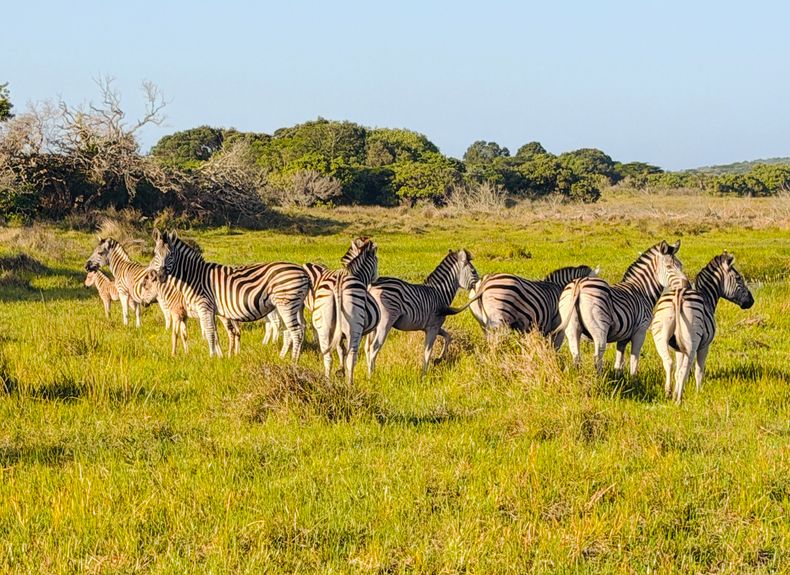
Some of St Lucia’s most memorable moments happen when the engine is off, in the quiet and on foot.
Beyond the boat cruises, beach days and game drives lies a quieter way to meet this extraordinary corner of the iSimangaliso Wetland Park: on foot. A sandy path, a forest trail, a boardwalk beside the estuary, and suddenly the pace changes. You hear the rustle before you see it. You notice tracks in the sand. And sometimes, wonderfully, you find yourself standing still while zebra graze only metres away.
That was the magic of a recent walk near the old iPhiva Camp: an abundance of birdlife, impala moving through the bush, and zebra close enough to make every ordinary thought disappear. It is not a staged wildlife experience, and there is no guarantee of an animal around the next bend. That uncertainty is exactly what makes it so special.
St Lucia is a small village with wilderness at its edges. Estuary, dune forest, grassland, wetland and beach sit remarkably close together, creating walks that feel far removed from everyday life without always requiring a long journey. The wider iSimangaliso Wetland Park is South Africa’s first World Heritage Site, recognised for its exceptional landscapes and remarkably rich mix of coastal, wetland and terrestrial habitats.
The iPhiva walking area, near the Crocodile Centre and the Bhangazi Gate side of town, is one of those places that rewards a slow approach. The trails pass through grassland and bush, with the possibility of seeing zebra, wildebeest, impala, waterbuck, warthog, duiker and vervet monkeys, as well as an ever changing cast of birds.
It is an unusually intimate wildlife experience. From a vehicle, we are used to looking out at the bush. On foot, we become part of its rhythm: careful, quiet and alert. A zebra seen from a respectful distance on a trail has a completely different presence. The flick of an ear, the soft tearing of grass, the sudden awareness that this is its home and we are merely passing through.
Wild animals must always be given space. Never approach, feed, surround or follow them; pause, enjoy the moment and allow them an easy route away. A guided walk is a wonderful choice for visitors who would like to understand the tracks, bird calls and ecology behind what they are seeing.
For an easy, bird rich outing close to town, the iGwalagwala Trail is a lovely secret to know. Its shaded forest setting makes it feel wonderfully enclosed and alive. Listen for the unmistakable call of the purple crested turaco, and keep binoculars handy for smaller forest birds, vervet monkeys and bushbuck. It is ideal for a gentle morning stroll, for families, and for anyone who thinks birding requires an elaborate expedition. In St Lucia, remarkable sightings often begin just a few steps from the road.
The Estuary Boardwalk is another beautiful way to experience the quieter side of St Lucia. It winds beside mangroves and coastal thicket towards the beach, opening up views of water, reeds and wide skies. It is a fine place for a slow walk with a camera or binoculars, where herons, kingfishers, fish eagles and other waterbirds can turn a simple outing into an absorbing hour.
The estuary is home to hippos and crocodiles, so it should always be admired from the designated paths and viewing areas. It is not a place for paddling, swimming or stepping away from the boardwalk, but it is a remarkable place to pause and appreciate how closely wilderness and village life meet here.
For those with a little more time, St Lucia’s walks extend towards the beach and the Eastern Shores. The coast brings a different kind of freedom: long stretches of sand, ocean air and the immense vegetated dunes that frame this part of KwaZulu Natal. The Eastern Shores, reached through Bhangazi Gate, offer a beautiful bush and beach contrast, with designated places to explore on foot.
Conditions, access arrangements and trail markings can change with weather, wildlife movements and park management. Before setting out, it is always worth checking current information with iSimangaliso, a local guide or the tourism office. At Lidiko, we are also always happy to assist our guests with trail pointers, local advice and suggestions for a walk that suits the time available and the kind of experience they are hoping for.
Carry water, wear comfortable closed shoes and take a hat. Binoculars will earn their place in your bag. Start early or walk later in the afternoon, when temperatures are kinder and the bush often feels more active. Stay on marked or recommended routes, do not walk alone in remote areas, and always pay attention to local wildlife and safety advice.
Most of all, leave room for surprise.
St Lucia does not need to shout to impress. Its gifts are often quiet: a turaco calling from the canopy, fresh hoofprints in the sand, an impala pausing at the edge of the grass, or zebra appearing so close that you instinctively stop breathing for a moment.
For guests staying at Lidiko, these walks are an invitation to discover the area beyond the usual itinerary, not as a checklist, but as a place to notice. Step outside, slow down, and let St Lucia reveal itself one footstep at a time.
Share This Post
Our Tripadvisor Reviews
Further Reading
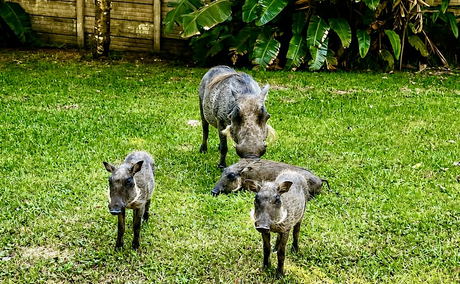
The Curious Charm of St Lucia's Warthogs
Tue July 7, 2026
Read This Article
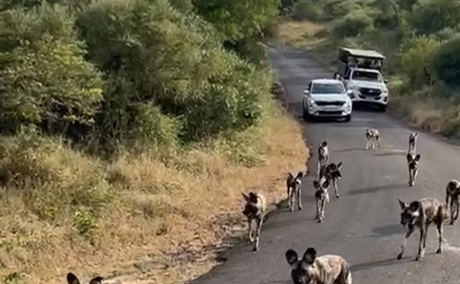
Painted Wolves of Zululand: When the Wild Dogs Return
Fri February 27, 2026
Read This Article
A rare and unforgettable sighting in Hluhluwe-iMfolozi There are moments in the bush that linger long after the dust settles and the engine switches off. Moments when the wilderness feels alive in a different way — charged, electric and full of quiet tension. They are not always dramatic or loud. Often, they unfold in silence, in a slow unfolding of awareness that something extraordinary is about to happen.
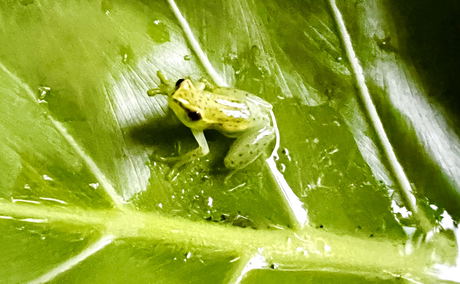
The World Beneath the Obvious, The Remarkable Small Lives in and Around St Lucia
Wed January 14, 2026
Read This Article
St Lucia is often described by what surrounds it, a small coastal town enveloped by the remarkable iSimangaliso Wetland Park, where estuary, forest, dune systems, and ocean converge. Here, nature is not confined to distant viewpoints or fenced reserves. It threads itself through daily life, moving quietly between gardens, along sandy paths, beneath leaves, and across walls. While larger animals understandably capture the imagination, another world exists alongside them — smaller, subtler,...
Share This Post